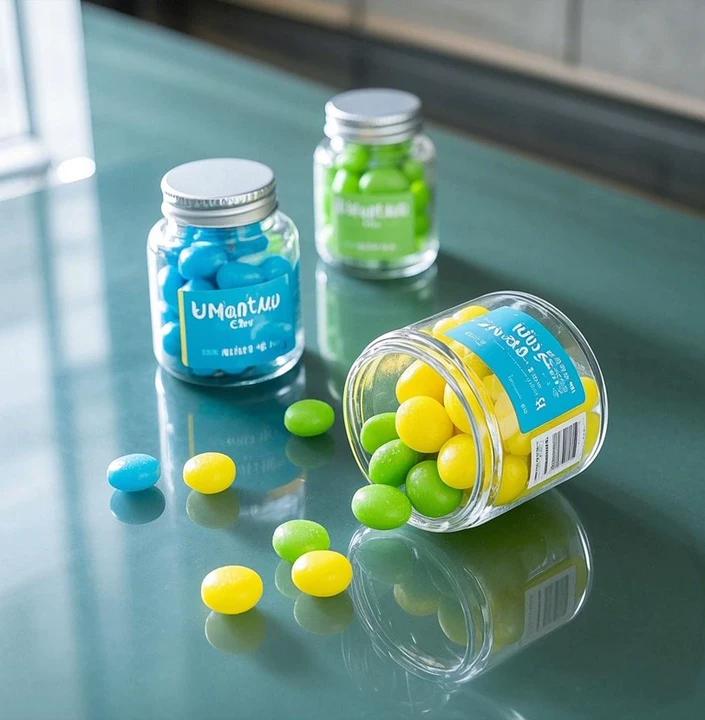
Demand for probiotic supplements is surging globally. From gut health to immune support and even mental wellness, consumers are increasingly incorporating live bacteria products into their daily routines. For brands looking to enter this space — or expand their existing portfolio — understanding the key technical dimensions of probiotic OEM manufacturing is essential. Skip these …

Demand for probiotic supplements is surging globally. From gut health to immune support and even mental wellness, consumers are increasingly incorporating live bacteria products into their daily routines. For brands looking to enter this space — or expand their existing portfolio — understanding the key technical dimensions of probiotic OEM manufacturing is essential. Skip these fundamentals, and you risk delivering a product that contains little more than dead bacteria and broken promises.
Why Strain Selection Is Everything
Not all probiotic strains are created equal. The genus-species-strain nomenclature matters enormously. Lactobacillus rhamnosus GG, Bifidobacterium animalis BB-12, and Streptococcus thermophilus TH-4 are three of the most clinically documented strains — but dozens of other species and proprietary blends exist in the market.
When specifying your probiotic OEM order, you should:
- Name strains precisely — genus, species, and strain designation (e.g., Lactobacillus acidophilus LA-5, not just “lactobacillus blend”).
- Reference clinical evidence — strains with published human clinical trials give your brand a significant marketing edge and regulatory defensibility.
- Consider synergy — multi-strain formulas can offer broader coverage, but the combination must be scientifically validated for compatibility and stability.
- Check patented or trademarked strains — some clinically validated strains are proprietary and require licensing agreements before use.
At Dongying Zuoning Biotechnology, our R&D team helps brands navigate strain selection, ensuring the final formulation matches both the scientific evidence and the target market’s regulatory requirements.
The Viability Challenge: CFU Counts That Actually Matter
Probiotic potency is measured in Colony Forming Units (CFU). A product labeled “1 billion CFU per capsule” sounds impressive — but the critical question is: 1 billion CFU at what point in time?
Regulatory authorities and industry best practices typically require:
- Label claim — the CFU stated on the supplement facts panel
- End-of-shelf-life guarantee — the minimum viable count guaranteed until the expiration date
- Manufacturing specification — factories typically over-encapsulate (e.g., 1.5–2× the label claim) to account for normal loss during storage and transit
Industry standard for most general probiotic capsules ranges from 10 billion to 50 billion CFU at time of manufacture. However, high-dose does not automatically mean better — excessive moisture or oxygen exposure can degrade any formulation, regardless of initial count.
A reliable OEM partner will conduct stability studies under ICH (International Council for Harmonisation) conditions to validate CFU survival across the product’s entire shelf life, typically 24 months at room temperature.
Shelf Life & Storage Conditions
Probiotic viability is sensitive to three primary factors:
- Moisture — desiccants (silica gel or molecular sieves) inside the bottle or blister pack are mandatory for most capsule and tablet formats
- Oxygen — nitrogen flushing during packaging and oxygen-absorbers significantly improve stability; some manufacturers use aluminum foil blister packaging
- Temperature — while some shelf-stable strains exist, most probiotic products benefit from cool, dry storage — and shipping conditions matter enormously
Always verify that your contract manufacturer performs:
- In-house stability testing (accelerated and real-time)
- COA (Certificate of Analysis) for every production batch, including end-of-shelf-life CFU testing
- Microbiological testing for pathogenic organisms (E. coli, Salmonella, Listeria, Staphylococcus aureus) per USP <61/62>
Packaging Formats: Which Is Right for Your Brand?
Your packaging choice affects stability, consumer experience, cost, and shelf appeal. Here’s how probiotic formats compare:
| Format | Viability Advantage | Consumer Appeal | Cost |
|---|---|---|---|
| Glass amber bottle + desiccant | Excellent | Premium feel | Higher |
| Aluminum blister (cold-form foil) | Excellent — moisture & oxygen barrier | Clean, travel-friendly | Moderate |
| HDPE bottle with induction seal | Good (requires desiccant) | Familiar, cost-effective | Lower |
| Sachet / stick pack (powder) | Good — individually sealed | Popular for children’s formulas | Moderate |
Dosage Form Considerations
Capsules are the most common probiotic delivery format. Vegetarian (pullulan) capsules offer an alternative to bovine gelatin. Some strains are encapsulated in a prebiotic fiber matrix (e.g., inulin or galacto-oligosaccharides) to improve survival through the gastric environment.
Powder sachets are popular in Asia-Pacific and for pediatric markets. Individually sealed units provide maximum stability, though they increase packaging cost and environmental footprint.
Gummy probiotics are a growing trend, but they present a significant viability challenge: the warm, moist gummy manufacturing process (typically 60–80°C) can kill sensitive probiotic strains. Heat-tolerant strains (e.g., Bacillus coagulans) are better suited for this format.
Regulatory & Documentation Checklist
Before placing your probiotic OEM order, ensure your contract manufacturer can provide:
- Third-party testing reports for identity (strain verification via PCR or MALDI-TOF)
- COA with batch-specific CFU counts, microbiology results, and heavy metal/pesticide残留 testing
- Allergen-free certifications (dairy-free, soy-free, gluten-free, as applicable)
- Non-GMO, Kosher, and Halal certifications if required by your target market
- Stability study data supporting shelf-life claims
- NDI (New Dietary Ingredient) notification filing support for US market entry, if using novel strains
Final Thoughts
Probiotic OEM manufacturing is a technically demanding discipline. Strain selection, viability maintenance, and packaging integrity are interconnected variables — and the difference between a best-in-class probiotic and a disappointing product often comes down to the factory’s expertise and quality systems.
Choosing a proven OEM partner with documented probiotic manufacturing experience, in-house R&D, and international quality certifications (GMP, FDA, ISO) is the single most important decision you’ll make for your probiotic brand.
At Dongying Zuoning Biotechnology Co., Ltd., we specialize in probiotic capsule, tablet, and powder formulations for global supplement brands. From strain sourcing and formula development to packaging design and regulatory support, we handle the full journey.
Contact us today:
📧 Wade@zuoningbio.com
📞 +86 187 5469 6289
🌐 www.zuoningbio.com