The cross-border e-commerce supplement market has exploded in the last five years. Platforms like Amazon, Shopee, Lazada, and TikTok Shop have given small and medium-sized brands unprecedented access to global consumers. But success hinges on one critical decision: choosing the right OEM (Original Equipment Manufacturer) partner in China. A bad factory choice doesn't just cost …

The cross-border e-commerce supplement market has exploded in the last five years. Platforms like Amazon, Shopee, Lazada, and TikTok Shop have given small and medium-sized brands unprecedented access to global consumers. But success hinges on one critical decision: choosing the right OEM (Original Equipment Manufacturer) partner in China.
A bad factory choice doesn’t just cost money — it can destroy your brand reputation, trigger regulatory action, or leave you with thousands of units of unsellable inventory. This guide walks you through the complete process of evaluating, selecting, and onboarding a Chinese supplement OEM partner, from first inquiry to your first container shipment.
Why Chinese OEM Manufacturing Makes Sense for E-Commerce Brands
China is the world’s largest supplement manufacturing hub. The combination of competitive pricing, scalable production capacity, advanced equipment, and growing regulatory expertise makes it the top choice for private-label supplement brands worldwide. For e-commerce sellers, the economics are compelling: sourcing from a certified Chinese OEM can reduce product costs by 40–70% compared to using domestic manufacturers in the U.S., EU, or Australia.
But the low barrier to entry also means the market includes a wide range of factories — from world-class GMP-certified facilities to small backyard operations with questionable quality standards. Your job is to find the right tier for your brand’s stage and ambition.
Step 1: Define Your Product Requirements Before Reaching Out
Before you send a single email, get clear on what you’re making. Buyers who contact factories with vague requests (“I want a collagen supplement”) get generic quotes and often end up with generic products.
Define the following before reaching out to any factory:
- Dosage form: Capsule, tablet, softgel, gummy, powder?
- Active ingredients and dosage levels: Exact specs or a target range
- Target market(s): U.S. (FDA), EU (EFSA), Australia (TGA), Southeast Asia (local regulations)?
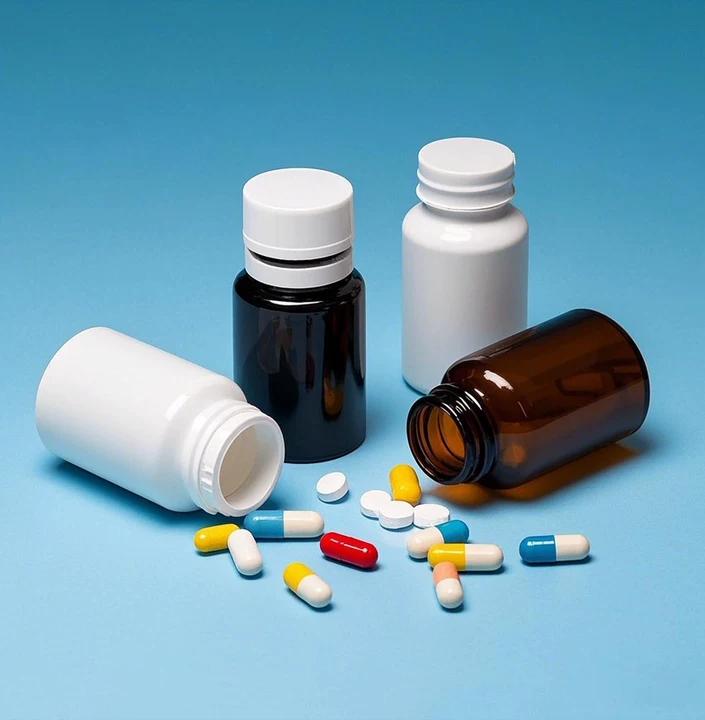
- Packaging style: Bottle, blister, pouches, custom shaped containers?
- Order volume: MOQ (minimum order quantity) expectations, from pilot batch to full container
- Certifications required: GMP, ISO, FDA registered facility, organic, non-GMO, kosher, halal?
Factories that can handle well-defined briefs respond faster, quote more accurately, and produce better results.
Step 2: Verify the Factory’s Credentials — Don’t Trust What They Send You
Every reputable factory will have certificates. But certificates can be faked, expired, or purchased from non-accredited bodies. Here’s your verification checklist:
- Business License: Request the business license (营业执照). Verify the registered capital, company name, and scope of business online through Tianyancha (天眼查) or Qichacha (企查查).
- GMP Certification: Look for certification from recognized bodies — NSF International, TGA (Australia), or China’s own GB/T 22000 series. Check the certification body’s accreditation (e.g., CNAS for Chinese labs).
- FDA Facility Registration: For the U.S. market, the factory must be registered with the FDA as a food facility (21 CFR Part 1 Subpart M). Verify at fda.gov.
- Third-Party Audit Reports: Eurofins, SGS, Bureau Veritas, and Intertek all offer factory audit services. A factory confident in its operations will welcome a third-party audit.
Step 3: Assess Manufacturing Capabilities — See Beyond the Marketing Photos
Product photos on a factory’s website are carefully curated. Here’s how to get the real picture:
- Production Line Tour (in-person or via video): Request a live video walkthrough of the facility. Pay attention to: worker hygiene practices, floor and equipment cleanliness, organization of raw material storage, and separation of production lines to prevent cross-contamination.
- Equipment Inventory: Ask about key equipment — encapsulation machines, tablet presses, coating pans, blister packaging lines, metal detectors. Older equipment doesn’t mean bad quality, but it may limit production speed or precision.
- Pilot Lab Capabilities: If you’re launching a new formula, you need a factory with a pilot lab that can produce small batches (typically 10–50 kg) for sampling before committing to full-scale production.
- Testing Facilities: Does the factory have an in-house laboratory for basic testing (moisture, microbial, dissolution)? Can they coordinate with third-party labs (Eurofins, Alchemy, ACS) for full COA (Certificate of Analysis) testing?
Step 4: Evaluate Regulatory Compliance Support
This is where many e-commerce sellers get caught off guard. Different markets have very different regulatory requirements:
- United States (FDA): Supplements must comply with 21 CFR Part 111 (cGMP) and DSHEA. The factory should be able to provide: a GMP-compliant COA, allergen declarations, heavy metal testing results, and help with Supplement Facts label design.
- European Union (EFSA): Health claims are strictly regulated under Regulation (EC) No 1924/2006. The factory needs to understand authorized claims, ingredient dosages, and the Novel Food Regulation (EU) 2015/2283.
- Australia (TGA): Therapeutic goods must be listed or registered with TGA before sale. A factory with TGA experience understands the documentation requirements.
- Southeast Asia: Requirements vary by country (Singapore HSA, Malaysia NPRA, Indonesia BPOM). Check specific country requirements before finalizing your formula.
Choose a factory with regulatory staff — ideally with direct experience supporting your target market — not one that just manufactures and hands you the problem.
Step 5: Understand the Business Model — MOQ, Pricing, and Payment Terms
- Minimum Order Quantity (MOQ): Most supplement factories set MOQs between 5,000–30,000 units per SKU, depending on dosage form. Some offer lower MOQs for pilot batches (1,000–3,000 units) at a premium unit price.
- Pricing Structure: Get itemized quotes. Understand what’s included: raw materials, manufacturing, primary packaging, secondary packaging, labeling, quality testing, and documentation. Watch for hidden costs like tooling fees, design fees, and formula development charges.
- Sample Policy: A reputable factory will provide 2–5 samples for a nominal fee or free (shipping cost only). If a factory refuses to send samples, that’s a red flag.
- Payment Terms: Standard terms for first orders are typically 30–50% deposit, 70–50% balance before shipment. Be cautious of factories demanding 100% upfront payment for initial orders.
Step 6: Protect Your Intellectual Property
When you share your proprietary formula with a factory, you’re taking a calculated risk. Here’s how to protect yourself:
- Sign an NDA (Non-Disclosure Agreement) before sharing any formula, labeling design, or business plan.
- Register your trademark in your target market country before launching. In the U.S., file with the USPTO. In the EU, file with EUIPO.
- Consider trademark registration in China (China Trademark Office) to prevent your formula or brand from being registered by the factory or a third party.
- Keep key ingredient suppliers confidential — ask your factory to source materials from suppliers you designate, rather than their own network.
Step 7: The Final Checklist Before You Commit
Use this checklist to evaluate any OEM prospect:
- [ ] Business license verified online (Tianyancha/企查查)
- [ ] GMP certificate from an accredited body, verified
- [ ] FDA food facility registration confirmed (for U.S. market)
- [ ] Production facility tour completed (in-person or live video)
- [ ] Regulatory staff available and experienced with your target market
- [ ] Sample products produced and tested (COA received)
- [ ] Full itemized quotation provided
- [ ] NDA signed before sharing proprietary information
- [ ] MOQ, lead time, and payment terms clearly defined
- [ ] Third-party lab testing coordination confirmed
- [ ] References from other e-commerce brands provided
Conclusion: The Right Partner Changes Everything
Choosing the right OEM partner is the single most consequential decision in your private-label supplement brand journey. A great factory doesn’t just manufacture your product — they become an extension of your team, helping you navigate formulation challenges, regulatory hurdles, and market-specific requirements.
At Zuoning Bio (东营佐宁生物科技有限公司), we specialize in serving cross-border e-commerce brands at every stage — from first sample to full-scale container shipments. Our facilities are GMP-certified, FDA-registered, and experienced with U.S., EU, Australian, and Southeast Asian market requirements.
Ready to start your private-label supplement journey? Let’s talk.
📧 Wade@zuoningbio.com
📞 +86 187 5469 6289
🌐 www.zuoningbio.com