Choosing the right dosage form is one of the most consequential decisions in dietary supplement product development. It affects bioavailability, consumer preference, manufacturing cost, shelf life, and regulatory pathway. For international buyers sourcing from a Chinese OEM/ODM manufacturer, understanding the trade-offs between hard capsules, soft capsules, gummies, and tablets can mean the difference between a …

Choosing the right dosage form is one of the most consequential decisions in dietary supplement product development. It affects bioavailability, consumer preference, manufacturing cost, shelf life, and regulatory pathway. For international buyers sourcing from a Chinese OEM/ODM manufacturer, understanding the trade-offs between hard capsules, soft capsules, gummies, and tablets can mean the difference between a bestselling product and a costly reformulation.
At Dongying Zuoning Bio-Tech Co., Ltd., we work with global brands to develop and manufacture supplements across all major dosage forms. This guide breaks down each format so you can make an informed decision for your brand.
Hard Capsules
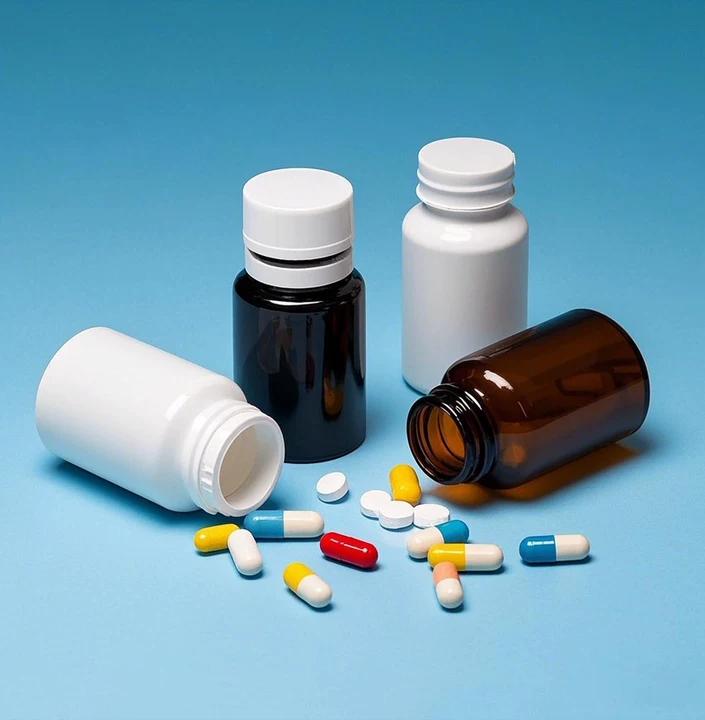
What they are: Two-piece shells — typically made from gelatin or plant-based materials like HPMC (hydroxypropyl methylcellulose) — that enclose a powdered or granular fill.
Best for:
- Ingredients that are oxygen- or moisture-sensitive (sealed shell protects contents)
- Blends of multiple ingredients that need clean label separation
- Vegetarian/vegan formulas (HPMC capsules)
- Rapid dissolution and relatively fast absorption
Key considerations:
- Fill volume is limited compared to tablets; very high-dose ingredients may require multiple capsules per serving
- Gelatin capsules are not suitable for vegetarian markets
- Custom colors, sizes (00 to 5), and printing are available at most GMP facilities
- Fill materials must have good flowability for encapsulation
Typical minimum order quantities (MOQs): Usually 100,000–300,000 capsules per SKU for custom orders.
Soft Capsules
What they are: One-piece hermetically sealed capsules, traditionally made from gelatin, that contain a liquid or semi-solid fill (oil-based ingredients in particular).
Best for:
- Oil-soluble ingredients: fish oil (Omega-3), vitamin E, vitamin D3, coenzyme Q10, flaxseed oil
- Ingredients that are better absorbed in lipid form
- Products requiring precise dosing of potent actives
- Premium-positioned supplements (softgels feel higher-end)
Key considerations:
- Require specialized manufacturing equipment (rotary or bomb-type softgel machines)
- Primarily gelatin-based; marine-sourced gelatin options available for halal certification
- Moisture and temperature sensitivity during storage — softgels can become brittle or sticky
- Higher tooling/machinery investment means slightly higher unit costs
Typical MOQs: Often start at 100,000–200,000 softgels for custom orders.
Gummies
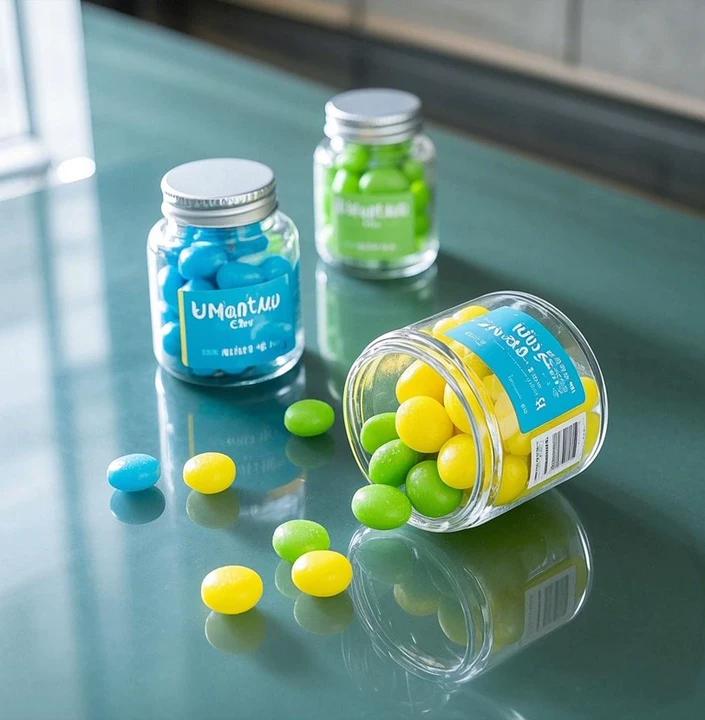
What they are: Chewy, candy-like supplements made by heating and molding a gelatin or pectin-based matrix with added actives, sweeteners, and flavorings.
Best for:
- Consumer compliance — gummies are highly palatable and easy to take
- Markets with resistance to swallowing pills (children’s supplements, seniors)
- Beauty-from-within formats (collagen, biotin, vitamin C gummies)
- Products that want to differentiate on taste and texture
Key considerations:
- Typically lower dose per serving unit — gummies work best for moderate daily nutrients rather than high-potency actives
- Gelatin-based gummies face vegetarian/vegan and halal/kosher limitations; pectin-based gummies are available but have different texture and cost profiles
- Sugar content and sugar-free options are both available; sweeteners (stevia, monk fruit) can be incorporated
- Moisture control is critical — gummies can become sticky or dry out during storage
Typical MOQs: Often 100,000–300,000 pieces per SKU; some manufacturers accept smaller runs for testing.
Tablets
What they are: Compressed powdered mixtures formed into hard, scored shapes under high pressure.
Best for:
- High-dose, cost-sensitive products (tablets have the lowest unit cost at scale)
- Precise dosage control and consistent disintegration
- Products requiring multi-layer construction (immediate release + sustained release)
- Wide range of shapes, colors, and debossing options for strong brand identity
- Suitable for most active ingredients with good compressibility
Key considerations:
- Requires fillers, binders, and lubricants in the formula — not ideal for minimal-ingredient products
- Some consumers associate tablets with “pharmaceutical” aesthetics, which may be positive or negative depending on your brand positioning
- Certain ingredients (e.g., enzymes, probiotics) may not survive the compression process
- Extended release formulations are possible through specialized tableting techniques
Typical MOQs: Often 200,000–500,000 tablets per SKU, though some facilities offer smaller pilot runs.
Comparing at a Glance
| Factor | Hard Capsules | Soft Capsules | Gummies | Tablets |
|---|---|---|---|---|
| Best for oil-based ingredients | ★★☆ | ★★★ | ★★☆ | ★★☆ |
| Vegetarian/vegan option | ★★★ (HPMC) | ★★☆ (limited) | ★★☆ (pectin option) | ★★☆ |
| Unit cost at scale | Moderate | Moderate-High | Moderate | Low |
| Consumer compliance | High | High | Very High | Moderate |
| Dose flexibility | Moderate | High | Low | High |
| Shelf life stability | High | Moderate | Moderate | High |
| Minimum order quantity | Moderate | High | Moderate | Moderate |
How to Decide: Key Questions to Ask Yourself
- What is the primary active ingredient? Oil-based? Choose soft capsules or gummies. Water-soluble, high-dose powder? Hard capsules or tablets.
- Who is your target consumer? Children or pill-averse adults? Gummies win. Fitness consumers used to protein and pre-workouts? Tablets or hard capsules.
- Do you need vegetarian/vegan certification? HPMC capsules or pectin gummies. Verify the manufacturing line is free of cross-contamination with animal gelatin.
- What is your per-unit budget at target volume? Tablets generally offer the lowest cost. Soft capsules and gummies carry a premium.
- What regulatory claims do you need to support? Different forms may carry different labeling requirements across the U.S. (FDA), EU (EFSA), and Australia (TGA).
- Do you need third-party certifications? GMP, ISO, FDA registered facility, HACCP — confirm your OEM partner holds the certifications your market requires.
Why Work with a Full-Service OEM/ODM Partner
A manufacturer that can produce multiple dosage forms offers you flexibility as your product line evolves. At Zuoning Bio-Tech, we support custom formulation, packaging design, regulatory consultation, and global export logistics across all four major formats. Whether you’re launching a first SKU with 100,000 units or scaling to multi-million-piece orders, having one trusted partner reduces communication overhead and accelerates time to market.
Ready to Start?
Dongying Zuoning Bio-Tech Co., Ltd. is a GMP-certified OEM/ODM manufacturer specializing in dietary supplements. We welcome international brands seeking a reliable, transparent manufacturing partner.
📧 Wade@zuoningbio.com
📞 +86 187 5469 6289
🌐 www.zuoningbio.com