When you're sourcing a supplement product from a Chinese OEM/ODM manufacturer, one of the first and most consequential decisions you'll make is the dosage form. Does your formula work best in a two-piece hard capsule, or would a softgel deliver superior bioavailability? Are gummies the right vehicle for your target demographic? And when does a …

When you’re sourcing a supplement product from a Chinese OEM/ODM manufacturer, one of the first and most consequential decisions you’ll make is the dosage form. Does your formula work best in a two-piece hard capsule, or would a softgel deliver superior bioavailability? Are gummies the right vehicle for your target demographic? And when does a tablet offer practical advantages?
The choice isn’t cosmetic. The dosage form affects bioavailability, shelf life, ingredient compatibility, manufacturing cost, consumer perception, and regulatory pathway. Get it right and your product performs well and sells. Get it wrong and you face reformulation costs, compliance issues, and poor market reception.
This guide breaks down each major dosage form — their strengths, their limitations, and the key questions to ask your OEM partner before you commit.
## Hard Two-Piece Capsules
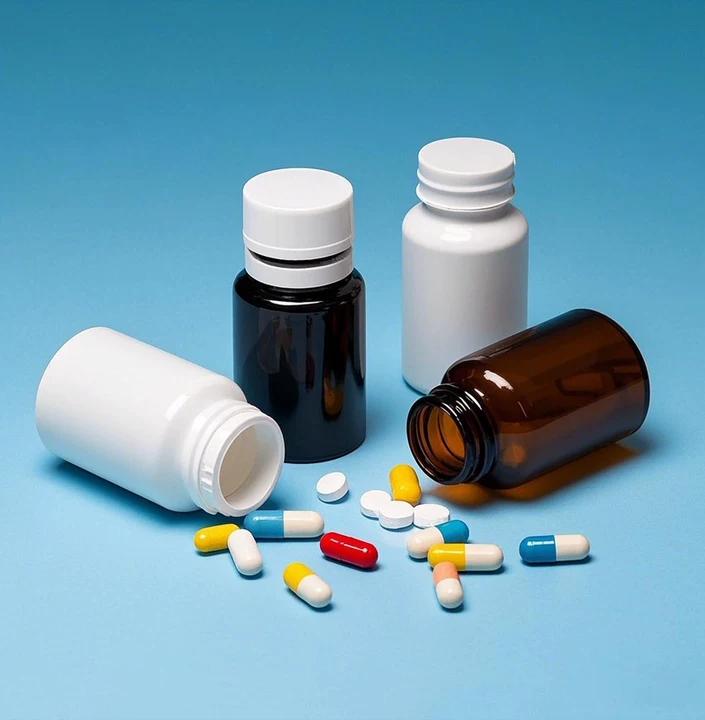
Hard capsules consist of two pieces: a body and a cap, typically made from gelatin or HPMC (hypromellose, also called “vegetarian capsules”). They are filled with powder, pellets, or semi-solid formulations.
**Best for:**
- Probiotic products (HPMC capsules offer moisture resistance)
- Dry herbal extracts and standardized botanical powders
- Single-ingredient or simple multi-ingredient formulas
- Products targeting consumers who prefer “clean” labels
**Key considerations:**
- Gelatin capsules are cost-effective but not suitable for vegetarians or certain religious diets. HPMC capsules are plant-based but approximately 30-50% more expensive.
- Hard capsules are not ideal for moisture-sensitive or oxygen-sensitive ingredients unless the manufacturing environment and packaging provide adequate protection.
- Fill weight is limited by capsule size. Common sizes range from Size 5 (smallest) to Size 000 (largest). Your OEM manufacturer should run a bulk density test to determine the optimal capsule size for your formula.
**Manufacturing note:** Capsule manufacturing typically runs faster than tableting for small-to-medium batches, making it cost-competitive for MOQs of 50,000-100,000 units.
## Soft Capsules (Softgels)
Softgel capsules have a single seamless shell, typically made from gelatin (or alternative polymers for vegetarian variants), enclosing a liquid or semi-solid fill. They require specialized manufacturing equipment — rotary die softgel machines — which represents a significant capital investment.
**Best for:**
- Omega-3 fish oil and krill oil products
- Fat-soluble vitamins (A, D, E, K)
- Coenzyme Q10 (CoQ10) and other lipophilic compounds
- CBD and hemp seed oil formulations
- Products where superior bioavailability from oil-based delivery is desired
**Key considerations:**
- Softgels provide excellent bioavailability for oil-soluble ingredients because the active compounds are already in solution.
- They are not suitable for water-soluble ingredients, dry powders, or ingredients that interact chemically with the gelatin shell.
- Softgel production requires higher minimum order quantities — typically 300,000-500,000 units for custom shapes or formulations due to the cost of rotary die tooling.
- Shelf life and storage conditions matter: softgels are sensitive to heat and humidity, which can cause leakage or deformation.
**Manufacturing note:** Softgel MOQs are substantially higher than hard capsules or tablets. If you’re launching a new brand with a limited initial order, softgels may not be the right starting point.
## Gummies
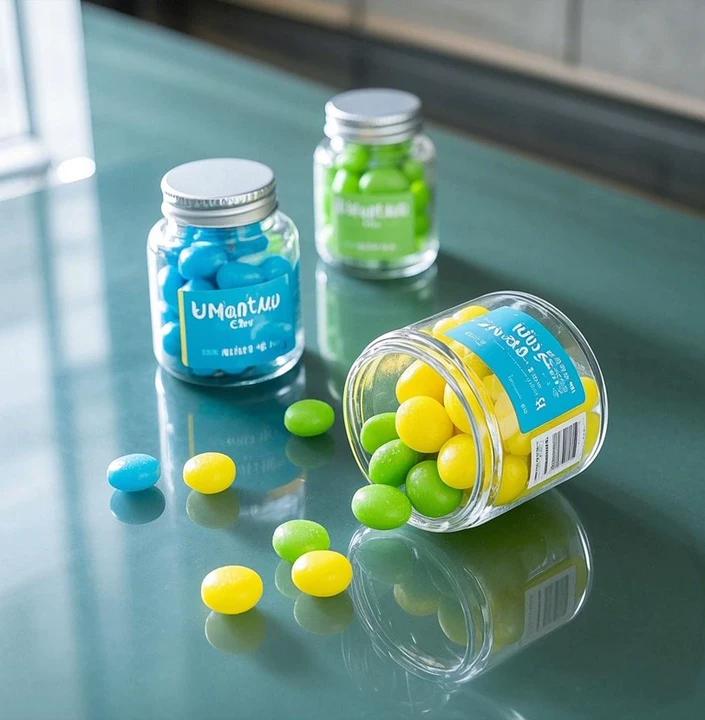
Gummy supplements have experienced explosive growth, particularly in North American and European markets, driven by consumer preference for pleasant taste and ease of administration — especially for children, seniors, and anyone averse to swallowing pills.
**Best for:**
- Consumer products targeting mainstream retail or mass-market channels
- Children’s multivitamins and immunity support
- Melatonin, vitamin D, zinc, and similar single-ingredient or simple-combination formulas
- Brands prioritizing flavor variety and branded shapes
**Key considerations:**
- Gummies require significantly higher sugar or sweetener content to achieve the desired texture, which may conflict with positioning as a “clean label” or “sugar-free” product.
- Active ingredient load per gummy is limited. You typically cannot fit more than 500-1,000 mg of active material per 3-4 gram gummy without compromising texture and sensory qualities.
- The pH environment of a gummy matrix can degrade certain ingredients over time, affecting shelf life stability.
- Vegetarian gummies (using pectin instead of gelatin) exist but require a different formulation process and have distinct texture characteristics.
**Manufacturing note:** Gummy manufacturing lines differ from capsule/tablet lines. Not all supplement OEMs have gummy capability. Confirm your partner has dedicated gummy production capacity and in-house R&D for flavor and texture development.
## Tablets
Tablets are compressed powder formulations, either direct-compression or wet-granulation, formed into a hard, single-piece dose.
**Best for:**
- High-dose, single-ingredient products (e.g., calcium, iron, zinc)
- Complex multi-ingredient formulas requiring precise dosing
- Products intended for pharmaceutical or quasi-pharmaceutical positioning
- Applications where a long shelf life and high physical stability are critical
- Cost-sensitive formulations where tablets are typically the most economical per-unit option
**Key considerations:**
- Tablets allow for high active ingredient loading — some formulas pack 1,500-2,000 mg or more per tablet.
- Compression can affect ingredient bioavailability, especially for poorly soluble compounds. A competent OEM R&D team will run dissolution testing to verify absorption.
- Tablets often require excipients (binders, lubricants, disintegrants) to achieve proper compression and dissolution. For clean-label positioning, this can be a limitation.
- Tablet size and shape are highly customizable, including bi-layer tablets that separate incompatible ingredients.
**Manufacturing note:** Tablet presses are among the most common pieces of equipment in any supplement manufacturing facility. MOQs are generally lower than softgels and gummies, making tablets accessible for early-stage brands.
## How to Choose: Key Decision Factors
Rather than picking a dosage form based on market trends, evaluate these factors systematically:
- Ingredient chemistry — Is the active compound water-soluble or fat-soluble? Moisture-sensitive? pH-sensitive? This eliminates options faster than any market consideration.
- Dose level — What is the daily dose by weight? High-dose ingredients (e.g., 1,000 mg calcium) almost always require tablets.
- Target consumer — Children and seniors often prefer gummies or softgels. Professional or health-conscious consumers may prefer capsules or tablets.
- Regulatory pathway — Some markets have distinct claims or approval pathways depending on dosage form. Verify this with your regulatory consultant.
- Initial order volume — Match your MOQ to your business stage. Tablets and hard capsules offer lower entry minimums than softgels.
- Shelf life and storage — Consider your target markets’ climate. Hot, humid regions may disqualify softgels.
- Label positioning — “Clean label,” “vegan,” and “sugar-free” positioning constrain your dosage form options.
## Bring Your OEM Partner Into the Conversation Early
The dosage form decision should not be made in isolation by your brand team. Engage your OEM/ODM manufacturer at the concept stage. A capable R&D team can run compatibility studies, stability testing, and pilot batches to validate whether your preferred form factor is the right fit — or whether a small adjustment opens up a much better option.
At Dongying Zuoning Biotechnology Co., Ltd., our formulation and R&D team routinely advises international brand partners on dosage form selection, including regulatory strategy for US, EU, Australian, and Southeast Asian markets.
Ready to start your supplement project? Contact our export team today.
Wade@zuoningbio.com | +86 187 5469 6289 | www.zuoningbio.com