Choosing the right dosage form is one of the most consequential decisions a supplement brand can make. It affects everything from bioavailability and consumer experience to manufacturing cost and shelf life. At Dongying Zuoning Biotechnology Co., Ltd., we've produced millions of units across all four major dosage forms 鈥?hard capsules, softgels, gummies, and tablets 鈥?and …

Choosing the right dosage form is one of the most consequential decisions a supplement brand can make. It affects everything from bioavailability and consumer experience to manufacturing cost and shelf life. At Dongying Zuoning Biotechnology Co., Ltd., we’ve produced millions of units across all four major dosage forms 鈥?hard capsules, softgels, gummies, and tablets 鈥?and we’ve seen firsthand how this single choice can make or break a product’s market performance.
This guide breaks down the strengths, limitations, and ideal use cases for each form so you can make an informed decision before starting your OEM/ODM project.
## 1. Hard Capsules: The Workhorse of Precision Dosing
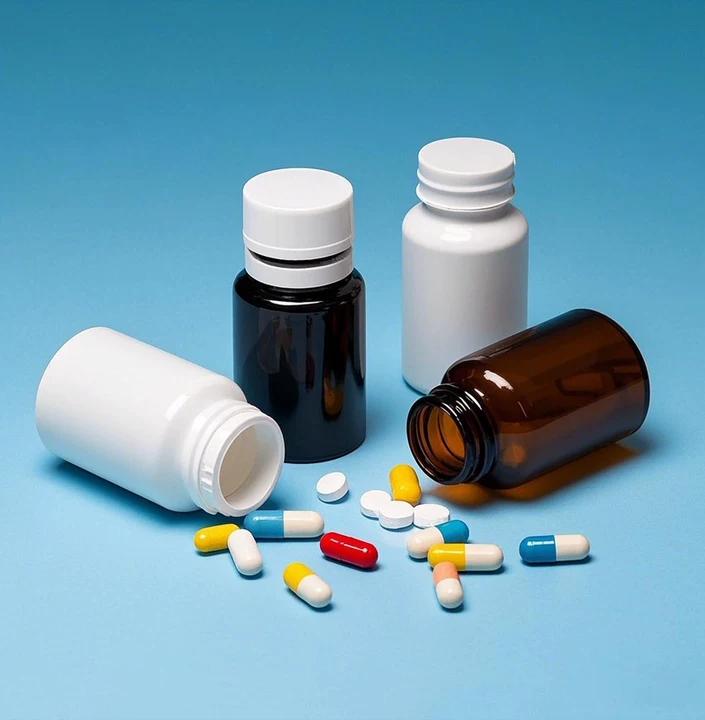
Hard capsules (typically two-piece gelatin or HPMC vegetarian capsules) are the most widely used dosage form in the dietary supplement industry 鈥?and for good reason.
**Key advantages:**
– **Precision dosing:** Hard capsules accommodate powders, granules, pellets, and even mini-tablets, allowing for highly accurate dosing 鈥?critical for potent active ingredients like CoQ10 or herbal extracts.
– **Formulation flexibility:** You can combine multiple ingredients with different release profiles (e.g., immediate-release pellets alongside sustained-release granules) within a single capsule.
– **Cost-efficiency:** Hard capsule production lines run at high speeds (up to 150,000 capsules per hour on industrial equipment), keeping per-unit costs competitive.
– **Shorter development cycles:** Compared to softgels or gummies, hard capsule formulations require fewer processing steps and less time to lock in.
– **Vegetarian options:** HPMC (hydroxypropyl methylcellulose) capsules provide a plant-based alternative for brands targeting vegan consumers.
**Limitations:**
– Cannot contain liquids or oils directly (though you can absorb oils onto carriers)
– Some consumers find capsules harder to swallow than softgels or gummies
– Moisture-sensitive ingredients may require specialized capsule materials
**Best for:** Herbal extracts, mineral complexes, amino acids, probiotics, and any formulation requiring precise dosing of dry powders.
## 2. Softgels (Soft Gelatin Capsules): Bioavailability Champions
Softgels are one-piece capsules with a liquid or semi-solid fill encased in a gelatin (or vegan alternative) shell. They’re the go-to choice for oil-based and lipid-soluble ingredients.
**Key advantages:**
– **Enhanced bioavailability:** The liquid fill often dissolves faster than solid dosage forms, improving absorption 鈥?especially important for fat-soluble nutrients like Vitamin D3, Vitamin E, and fish oil.
– **Sealed protection:** The hermetically sealed shell protects sensitive ingredients from oxidation and moisture, extending shelf life.
– **Consumer appeal:** Softgels are easy to swallow, odorless, and have a smooth surface 鈥?a significant plus for user experience.
– **Brand differentiation:** Softgels can be manufactured in various colors, shapes, and sizes, offering strong visual differentiation on shelf.
– **Enteric coating options:** Specialized coatings can target release in the intestines rather than the stomach.
**Limitations:**
– Higher manufacturing complexity and capital investment (softgel machines are expensive and require skilled operators)
– Limited to liquid or paste fills 鈥?not suitable for dry powders
– Longer development and stabilization timelines
– Vegan softgel alternatives (using modified starch or carrageenan) are available but costlier
**Best for:** Omega-3 fish oil, evening primrose oil, Vitamin D3, astaxanthin, CBD oil, and other lipid-based formulations.
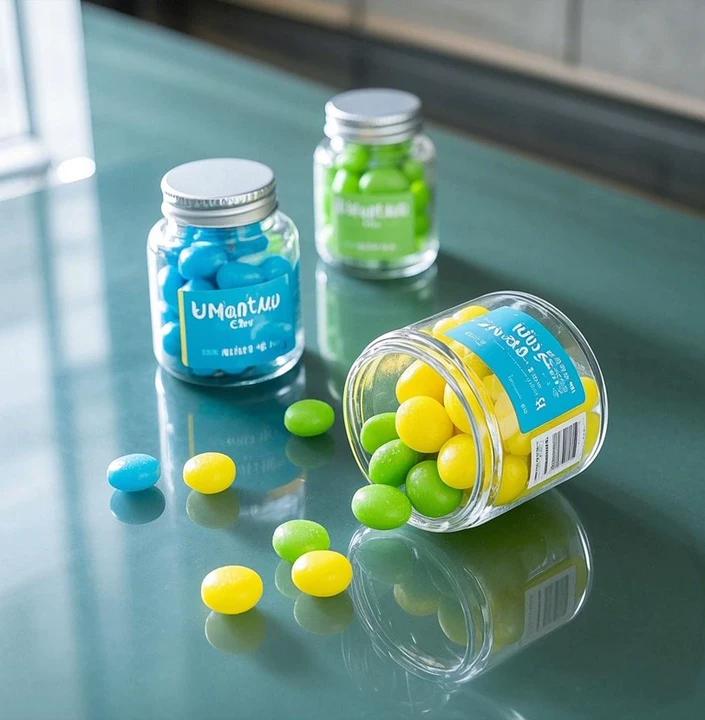
## 3. Gummies: The Growth Engine of the Supplement World
Gummy supplements have exploded in popularity, growing at double-digit rates globally. They’re no longer just for kids 鈥?adults are increasingly choosing gummies for their taste and convenience.
**Key advantages:**
– **Exceptional consumer experience:** Gummies are tasty, chewable, and feel more like a treat than a supplement 鈥?dramatically improving adherence and repeat purchases.
– **Broad demographic appeal:** Ideal for consumers who dislike swallowing pills, including elderly users and children.
– **Creative branding opportunities:** Gummies allow for custom shapes, flavors, colors, and even layered or sugar-coated designs.
– **Functional ingredient compatibility:** Modern gummy technology can incorporate vitamins, minerals, botanical extracts, and even certain oils.
**Limitations:**
– **Lower active loading:** Gummies typically contain less active ingredient per unit than capsules or tablets 鈥?a constraint for high-dose formulations.
– **Stability challenges:** Heat-sensitive ingredients (like probiotics) may not survive the gummy cooking process.
– **Sugar content concerns:** Traditional gummies contain sugar; while sugar-free options using maltitol or erythritol exist, they require careful formulation.
– **Shorter shelf life:** Gummies are more prone to moisture migration, sticking, and degradation over time.
– **Regulatory scrutiny:** Some markets (including the FDA) have flagged gummies for inconsistent dosing 鈥?quality control must be rigorous.
**Best for:** Multivitamins, Vitamin C, Vitamin D, melatonin, biotin, kids’ supplements, and wellness products targeting experience-driven consumers.
## 4. Tablets: Maximum Efficiency, Minimum Cost
Tablets remain the most cost-effective dosage form, especially for high-volume, high-dose products.
**Key advantages:**
– **Highest active loading:** Tablets can pack more active ingredient into a smaller volume than any other form 鈥?ideal for bulky nutrients like calcium, magnesium, or fiber.
– **Lowest per-unit cost:** Tableting is fast, efficient, and uses relatively affordable excipients, making it the most economical option at scale.
– **Coating flexibility:** Tablets can be film-coated, enteric-coated, or sugar-coated to mask taste, control release, or improve stability.
– **Score lines for dosing flexibility:** Many tablets can be split, allowing consumers to adjust their dose.
– **Long shelf life:** Properly formulated tablets are highly stable with shelf lives of 24鈥?6 months.
**Limitations:**
– **Swallowing difficulty:** Large tablets can be hard to swallow, especially for elderly users.
– **Formulation constraints:** Some ingredients don’t compress well and may require binders, disintegrants, or granulation steps that add complexity.
– **Slower dissolution:** Poorly formulated tablets may not dissolve adequately, reducing bioavailability.
– **Less consumer excitement:** Tablets are often perceived as “generic” compared to gummies or softgels.
**Best for:** Bulk minerals (calcium, magnesium), high-dose Vitamin C, effervescent formulations, and value-oriented product lines.
## Side-by-Side Comparison
| Factor | Hard Capsules | Softgels | Gummies | Tablets |
|——–|————–|———-|———|———|
| Bioavailability | Medium-High | High | Medium | Medium |
| Active Loading | High | Medium | Low | Highest |
| Cost per Unit | Medium | High | Medium-High | Lowest |
| Consumer Experience | Medium | High | Highest | Medium-Low |
| Development Time | Short | Long | Medium | Medium |
| Shelf Life | 24鈥?6 months | 24鈥?6 months | 12鈥?4 months | 24鈥?6 months |
| Vegan Options | Yes (HPMC) | Limited | Yes | Yes |
## How to Choose: A Practical Framework
When deciding on a dosage form for your supplement brand, consider these five questions:
1. **What is your active ingredient?** Oil-based ingredients favor softgels; dry powders work well in hard capsules or tablets; heat-stable vitamins are gummy candidates.
2. **What dose do you need per serving?** High-dose formulations (over 500 mg) are better suited to tablets or hard capsules. Gummies work best for low-dose nutrients.
3. **Who is your target consumer?** Kids and pill-averse adults love gummies. Health enthusiasts often prefer capsules. Value-conscious buyers lean toward tablets.
4. **What’s your target price point?** Tablets offer the lowest COGS; softgels the highest. Make sure your retail margin supports your chosen form.
5. **What are your stability requirements?** If your ingredient is oxidation-sensitive, softgels offer the best protection. For moisture-sensitive ingredients, hard capsules with proper excipients are ideal.
## The Zuoning Advantage
At Zuoning Biotechnology, we operate GMP-certified production lines for all four dosage forms. Our R&D team can help you evaluate your formula against each option and recommend the optimal form based on your ingredient profile, target market, and budget. We also offer:
– Custom formulation development with stability testing
– Vegan and clean-label options across all dosage forms
– Low MOQs for trial runs and market testing
– Full export documentation and regulatory support
Choosing the right dosage form isn’t just a technical decision 鈥?it’s a strategic one that shapes your product’s identity and performance. Let’s get it right together.
—
**Ready to start your supplement project?**
Contact us today for a free formulation consultation:
– Email: Wade@zuoningbio.com
– Phone/WhatsApp: +86 187 5469 6289
– Website: www.zuoningbio.com
*Dongying Zuoning Biotechnology Co., Ltd. 鈥?Your trusted OEM/ODM partner for dietary supplements.*