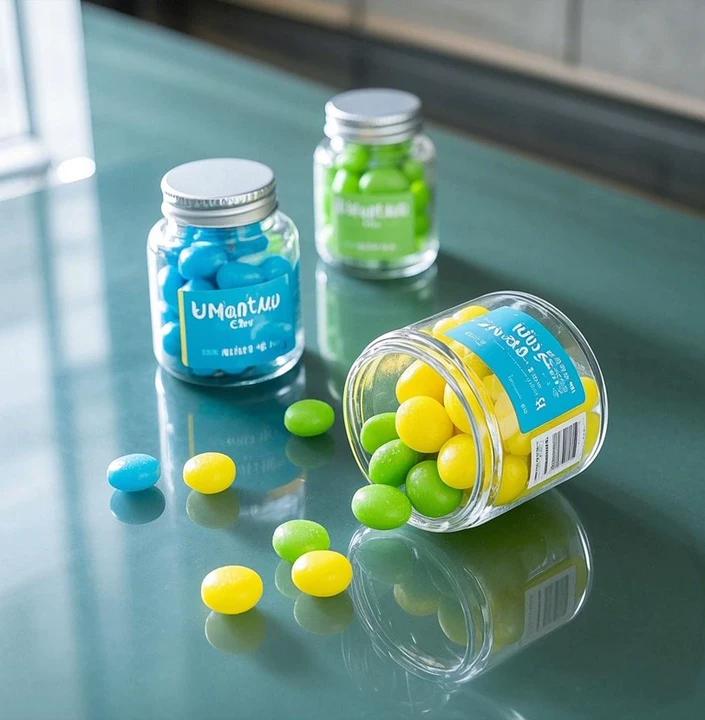
The global probiotic supplement market has grown from a niche digestive-health category into one of the most competitive segments in the nutraceutical industry. Retailers and brands launch probiotic SKUs at a furious pace—but many newcomers underestimate how unforgiving probiotics are to manufacture. Unlike a vitamin tablet, a probiotic product is alive. If the bacteria die …

The global probiotic supplement market has grown from a niche digestive-health category into one of the most competitive segments in the nutraceutical industry. Retailers and brands launch probiotic SKUs at a furious pace—but many newcomers underestimate how unforgiving probiotics are to manufacture. Unlike a vitamin tablet, a probiotic product is alive. If the bacteria die before the customer opens the bottle, the product is worthless, and a weak or mislabeled formula can damage a brand overnight.
For overseas buyers working with a Chinese OEM/ODM factory, the difference between a successful probiotic launch and an expensive recall often comes down to three decisions made before production even starts: which strains to use, how much live culture is guaranteed at the end of shelf life, and how the product is packaged. This article breaks down each one in practical terms.
1. Strain Selection: Genus, Species, and Strain Designation
The single most common mistake in probiotic OEM is treating “probiotics” as a generic ingredient. A probiotic is defined not just by genus and species, but by the specific strain—for example, Lactobacillus rhamnosus GG (ATCC 53103) is not interchangeable with another L. rhamnosus strain.
When selecting strains with your manufacturer, insist on:
- Full strain designation with deposit number. Reputable suppliers provide the culture collection ID (ATCC, DSMZ, etc.). This is your traceability anchor.
- Clinical substantiation for the intended benefit. If you are marketing gut health, immune support, or women’s health, choose strains with published human studies behind that specific claim. Your OEM should be able to show the strain’s documentation.
- Targeted strain profiles. Different strains colonize different parts of the gut or survive different conditions. A women’s health formula, a travel formula, and a daily digestive formula should use different strain libraries.
- Stability profile. Some strains are inherently shelf-stable; others require refrigeration. Decide early whether you are building a “room temperature stable” product (more export-friendly) or a refrigerated one.
A multi-strain formula is popular, but more strains is not automatically better. What matters is that each strain is documented, compatible, and present at a meaningful count.
2. CFU Count and Viability: Count at the End, Not the Start
CFU (colony-forming units) is the standard measure of live probiotic cells. The critical rule: label claims must reflect CFU at the end of shelf life, not at the time of manufacture.
Key points to lock down with your OEM:
- Overage calculation. Because bacteria decline over time, manufacturers add an “overage”—extra culture at production—so the product still meets label claim on the last day of shelf life. A professional factory will calculate overage based on real stability data, not guesswork.
- Stability testing. Require a stability study under realistic storage conditions (temperature and humidity) over the full intended shelf life. Ask for the data showing CFU at t=0, mid-shelf, and end-of-shelf.
- Moisture and heat sensitivity. Probiotics are fragile. Manufacturing processes that use heat, moisture, or pressure (such as standard tablet compression) can kill cultures. This is why many probiotics are delivered in capsules or sachets rather than compressed tablets.
- Independent verification. Insist that every batch is third-party tested for identity (is it the right strain?) and count (does it meet spec?). The test certificate should travel with the batch.
A common red flag: a supplier who only guarantees CFU “at time of manufacture” and refuses to commit to end-of-shelf-life count. Walk away.
3. Packaging Requirements: Winning the War Against Moisture
Even a perfectly manufactured probiotic will die if the package lets in moisture or oxygen. Packaging is not an afterthought—for probiotics, it is part of the formula.
Consider these options with your OEM:
- Bottles with desiccants. The most common format. A screw-cap bottle with a moisture-absorbing canister or packet keeps the environment dry. Choose HDPE or PET with good barrier properties.
- Blister packs. Individual sealed units offer superior moisture protection per dose and are popular in Europe. Higher packaging cost, but excellent stability.
- Stick packs / sachets. Single-dose powder sticks are convenient for on-the-go consumers and reduce repeat exposure to air. Require high-barrier film (foil laminate).
- Vegetarian capsules (HPMC). For buyers avoiding animal-derived gelatin, HPMC capsules are widely accepted and compatible with most strains—but verify the capsule’s moisture transmission rate with your manufacturer.
- Enteric coating (optional). If your target strains are sensitive to stomach acid, enteric-coated capsules or beads can improve survival through the GI tract. This adds cost and should be justified by the strain profile.
For export, also factor in the supply chain: a product that survives 24 months on a warehouse shelf in a dry climate may fail after weeks in a hot, humid port. Build the overage and barrier around your worst-case route.
4. Manufacturing and Quality Controls
Probiotic OEM demands stricter controls than most supplements:
- Low-moisture, controlled-hygiene environment. Cross-contamination and residual moisture are the enemies. The line should run under GMP with environmental monitoring.
- Segregated handling. Live cultures should be added late in the process (e.g., filling stage) to minimize heat and moisture exposure.
- Identity and purity testing. Beyond CFU count, batch testing should confirm the strain is what it claims and free of contaminants.
- Documentation chain. COA, strain documentation, stability data, and batch records should be available for every order—essential for FDA, EFSA, and TGA compliance.
5. A Brief Word on Regulation
Requirements differ by market. In the U.S., probiotics are generally regulated as dietary supplements under DSHEA, with structure/function claims allowed but disease claims prohibited. In the EU, health claims fall under EFSA authorization and are notoriously strict. In Australia, probiotic products may require TGA listing depending on claims. Your OEM should understand the documentation each market expects and help you avoid claims that cannot be supported.
Partnering With the Right OEM
A capable probiotic OEM does more than fill capsules. It helps you choose documented strains, designs the overage from real stability data, selects barrier packaging suited to your export route, and hands you a complete testing and documentation package. Before you commit, ask to see the factory’s strain sourcing, stability protocol, and sample COAs.
At Dongying Zuoning Biotechnology Co., Ltd., we support overseas brands with GMP-certified probiotic OEM/ODM—from strain selection and viability guarantee to export-ready packaging.
Ready to build a probiotic line that actually delivers live cultures to your customers? Contact us:
Email: Wade@zuoningbio.com
Phone/WhatsApp: +86 187 5469 6289
Website: www.zuoningbio.com