Picture This Before You Send Your Next Inquiry Imagine you find a manufacturer, send a short message—"I want a collagen gummy for the US market"—and wait. Two weeks later a sample arrives that is too sweet, uses the wrong collagen type, ships in a bottle your retailer already rejected, and carries a claim the FDA …

Picture This Before You Send Your Next Inquiry
Imagine you find a manufacturer, send a short message—”I want a collagen gummy for the US market”—and wait. Two weeks later a sample arrives that is too sweet, uses the wrong collagen type, ships in a bottle your retailer already rejected, and carries a claim the FDA would never approve. The fix costs you another month and a re-tooling fee.
This situation is more common than it should be, and almost every version of it traces back to one missing document: the product brief, also called a specification sheet. It is the instruction manual you hand your OEM/ODM partner. A clear, complete brief leads to a smooth production run. A vague one leads to email ping-pong, a reformulated sample, and a launch date that slips by weeks.
Why the Brief Matters More Than You Think
When a brief is incomplete, the manufacturer is forced to make assumptions—about dosage form, ingredient grade, target market, or label claims. Every assumption is a small risk. Multiply that by twenty decisions and you get a finished product that does not match what you pictured. Correcting it after production can mean scrapping inventory.
A good brief does three things. It sets a single source of truth for the formula, the format, and the regulations. It lets the manufacturer quote accurately instead of guessing. And it gives both sides a checklist to confirm before any raw material is ordered.
The Eight Sections of a Winning Supplement Specification Sheet
1. Product Concept and Positioning
Start with the basics: who is this for, what problem does it solve, and in which market will it sell? Note your intended claims—structure/function language such as “supports immune health” versus anything that sounds like a disease claim. This section guides every downstream decision, from ingredient choice to packaging color.
2. Dosage Form and Format
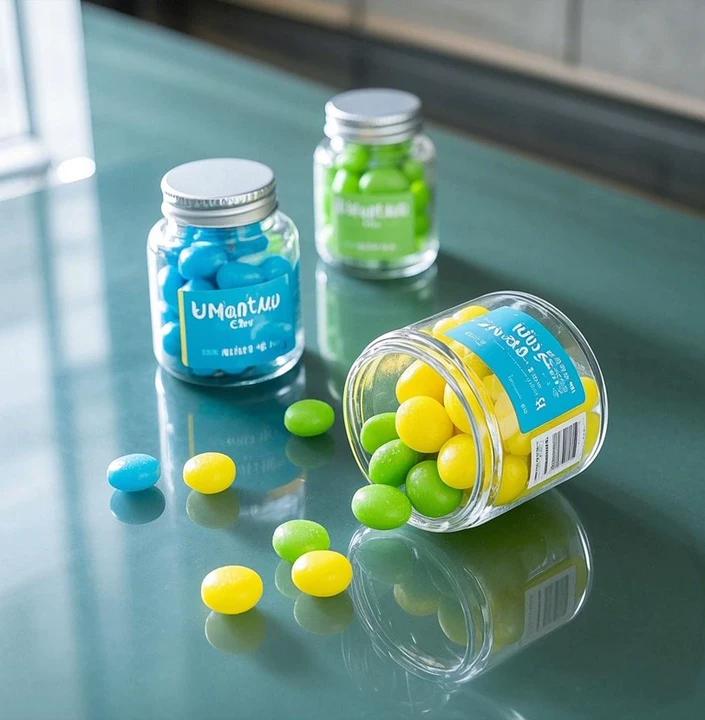
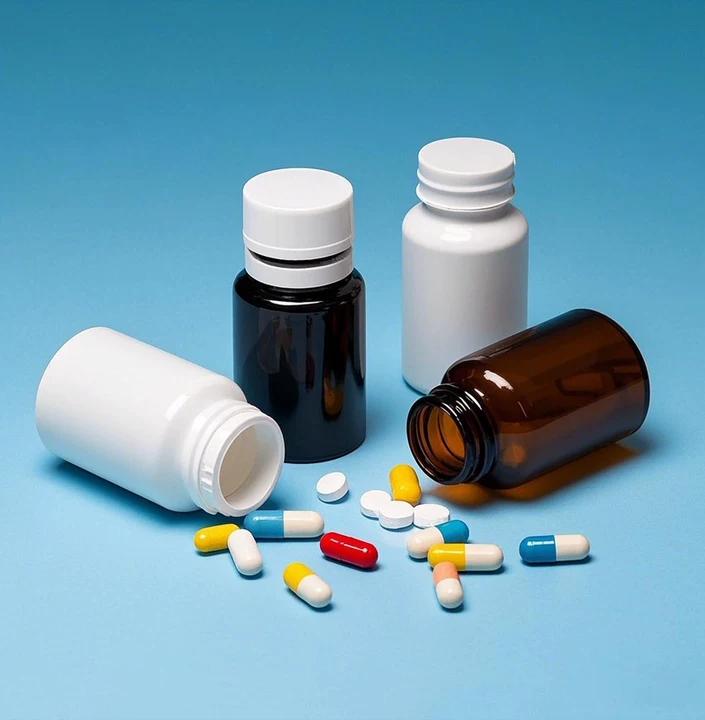
State the delivery format clearly: hard capsule (gelatin or vegetarian HPMC), softgel, tablet, gummy, or powder. Each has different minimum order quantities, tooling requirements, and ingredient constraints. If you are unsure which form fits your active ingredients, name two acceptable options and let the manufacturer advise.
3. Formula and Active Ingredients
List every active ingredient with its target dosage, preferred source, and required certifications (organic, non-GMO, Kosher, Halal). Specify whether you need a standardized extract—for example, 50% polyphenols—rather than a raw powder. Include a “must avoid” list covering allergens, animal derivatives, or artificial colors.
4. Nutritional and Label Claims
Tell the manufacturer your target market up front: United States (FDA DSHEA), European Union (EFSA), Australia (TGA), or others. Each framework has different rules for permitted claims, nutrient reference values, and label layout. Stating this early prevents a formula that is legal in one region but non-compliant in another.
5. Quality and Testing Requirements
Define the bar. At minimum request a Certificate of Analysis for each batch covering identity, potency, heavy metals, microbial limits, and allergens. Specify whether you want third-party ISO 17025 laboratory verification. If stability data is required for your market, say so before production begins.
6. Packaging and Presentation
Describe the primary pack—HDPE bottle, blister, stick pack, foil pouch, or jar—the count per unit, and any secondary packaging. Mention shelf-life expectations and storage conditions. Packaging drives both cost and lead time, so be explicit rather than leaving it open.
7. Regulatory and Documentation
List what you need from the manufacturer to clear customs and regulators: GMP certificate, FDA facility registration, TGA or EFSA supporting documents, Certificate of Origin, and—for novel ingredients—an NDI notification or Novel Food status. Confirm who owns each documentation responsibility so nothing is missed at shipping time.
8. Commercials
End with the practical numbers: target MOQ, desired unit cost range, ideal lead time, and a rough annual forecast. Honest volumes help the manufacturer propose the right production scale and pricing tier, which protects your margin later.
A Quick Checklist You Can Copy
Before you send the brief, confirm you have answered these eight questions:
- Target market and its regulatory framework
- Dosage form (with a backup option if undecided)
- Full ingredient list with dosages and source preferences
- Claims intent (structure/function vs disease claim)
- Testing and quality standards required
- Packaging type, count, and shelf-life expectation
- Regulatory documents needed for import and sale
- MOQ, target cost, lead time, and forecast
If any box is empty, the manufacturer will fill it for you—and you may not like the answer.
Common Brief Mistakes to Avoid
The first mistake is treating the brief as internal and only sharing it late. Share it at the first inquiry. The second is asking for “the same as Brand X” without a formula—your manufacturer cannot reverse-engineer a competitor’s product legally or accurately. The third is changing the target market midway, which can invalidate an entire compliance setup and force a restart.
How Zuoning Bio Supports Your Brief
We treat the specification sheet as the foundation of the project. Our team reviews your brief, flags regulatory gaps for your target market, proposes dosage-form options, and returns a feasibility response with pricing and lead time. From there we move to lab sample, pilot batch, stability testing, and full production—all documented and traceable.
Conclusion
A strong brief does not guarantee a perfect product, but it removes the avoidable errors that sink timelines and budgets. Spend an hour on it before you send your next inquiry, and your manufacturing partner will thank you with a faster, cleaner launch.
Ready to turn your brief into a finished product?
Wade@zuoningbio.com | +86 187 5469 6289 | www.zuoningbio.com